What Are Allergic Reactions?
Allergic reactions happen when your body’s immune system reacts to something harmless. This “something” is called an allergen. For example, pollen, certain foods, or pet dander can be allergens. Usually, your body protects you from germs. However, in allergic reactions, your body mistakes harmless things for threats. As a result, you may feel sick or uncomfortable. Allergic reactions can be mild or severe. Sometimes, they can even be life-threatening. Because of this, it is important to know the signs and what to do.
Common Symptoms of Allergic Reactions
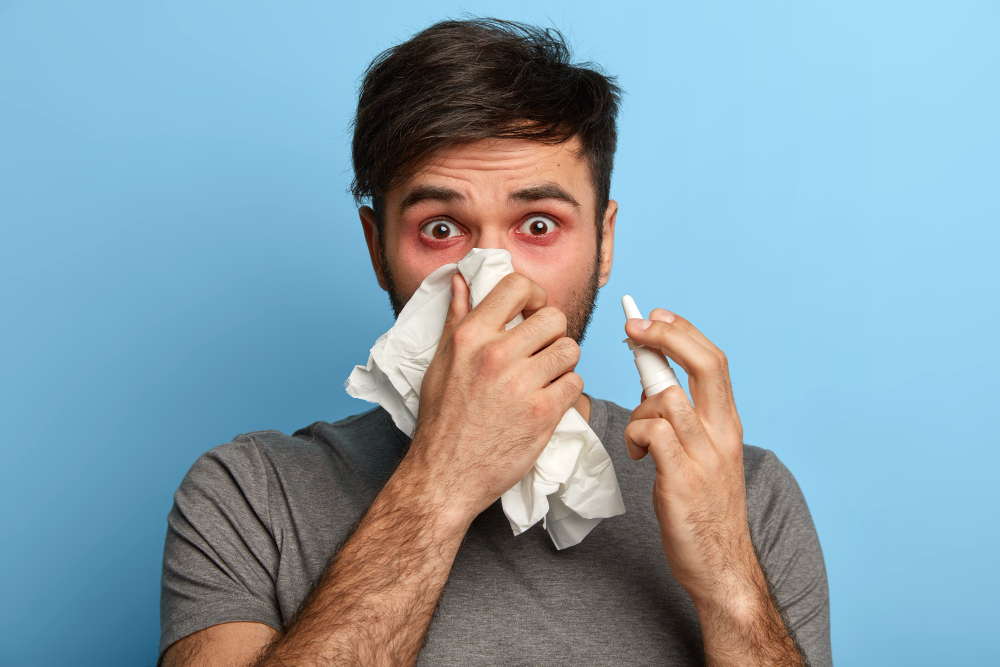
Allergic reaction symptoms can vary from person to person. Still, some signs are more common than others. Early recognition helps you get the right treatment quickly. Here are some symptoms you may notice:Itchy skin or hives (raised, red bumps)Swelling of the lips, face, or throatRunny or stuffy noseSneezing or coughingWatery or itchy eyesStomach pain, nausea, or vomitingShortness of breath or wheezingDizziness or feeling faint
Sometimes, allergic reactions can cause a severe response called anaphylaxis. This is a medical emergency. Signs include trouble breathing, swelling of the throat, or a sudden drop in blood pressure. If you notice these, seek help right away.
Causes and Risk Factors
Many things can trigger allergic reactions. For instance, some people react to foods like peanuts, eggs, or shellfish. Others may be allergic to insect stings, medicines, or latex. Even dust, mold, or animal dander can cause problems. Your risk of allergies is higher if you have a family history of allergies or asthma. Also, children are more likely to develop allergies, but adults can get them too. Living in areas with high pollen or pollution can increase your risk as well.
How Allergic Reactions Are Diagnosed
Doctors use several methods to diagnose allergic reactions. First, they ask about your symptoms and medical history. Next, they may do a physical exam. Sometimes, doctors use allergy tests to find the cause. These tests include:Skin prick test: Small amounts of allergens are placed on your skin to see if you react.Blood test: This checks for allergy-related antibodies in your blood.Elimination diet: You avoid certain foods to see if symptoms improve.
With these tests, your doctor can find out what triggers your allergic reactions. That way, you can avoid those triggers in the future.
Treatment Options
Treatment for allergic reactions depends on how severe your symptoms are. For mild symptoms, over-the-counter medicines like antihistamines can help. These reduce itching, sneezing, and runny nose. For skin symptoms, creams or lotions may bring relief. In some cases, doctors may prescribe stronger medicines. If you have severe allergies, you might need an epinephrine auto-injector. This device can stop a life-threatening reaction. Always carry it if your doctor recommends it. In addition, allergy shots (immunotherapy) may help some people over time.
Prevention Tips and Lifestyle Guidance
Preventing allergic reactions is possible with some simple steps. Here are some tips to help you stay safe:Know your triggers and avoid them whenever possible.Read food labels carefully to spot hidden allergens.Keep your home clean to reduce dust and mold.Wash hands and change clothes after being outside during pollen season.Use allergy-proof covers on pillows and mattresses.Tell friends, teachers, and coworkers about your allergies.Carry emergency medicine if you have severe allergies.
With these steps, you can lower your risk of allergic reactions. However, it is still important to stay alert for symptoms.
When to Seek Medical Help
Sometimes, allergic reactions can become serious very quickly. Seek medical help if you notice:Trouble breathing or swallowingSwelling of the face, lips, or throatSevere dizziness or faintingRapid heartbeat or chest pain
Call emergency services right away if you think you are having a severe allergic reaction. Early treatment can save lives. Even for mild symptoms, talk to your doctor if you are unsure about what to do.
In summary, allergic reactions can range from mild to severe. Knowing the symptoms, causes, and prevention tips can help you stay safe. Consult a healthcare specialist at Krishan Hospital & Critical Care Centre for personalized advice on allergic reactions.