
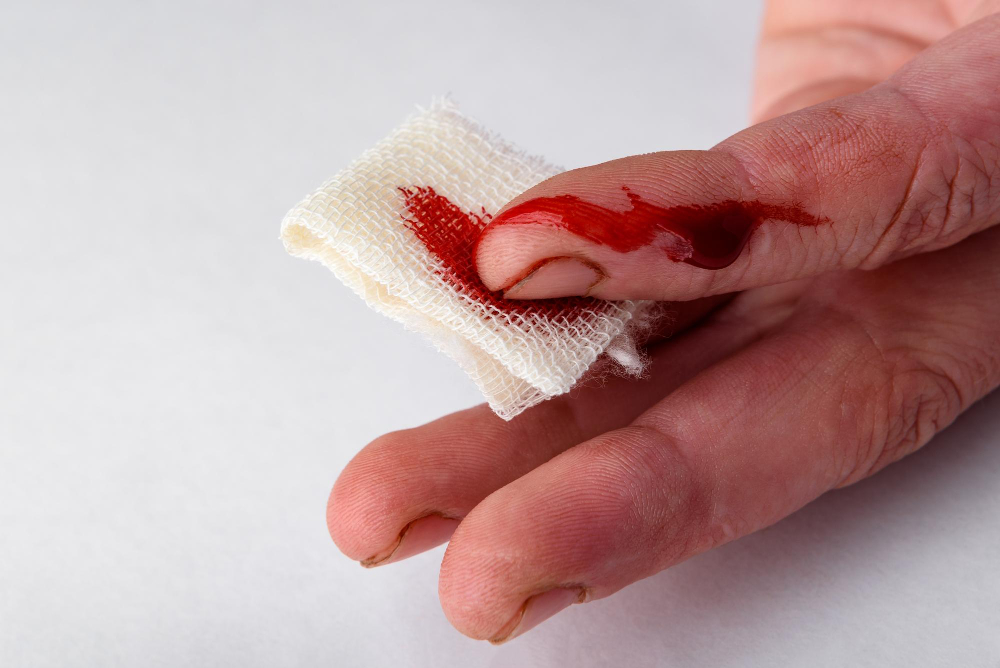
Introduction
Severe bleeding at home can be scary and dangerous. It happens when a person loses a lot of blood quickly. Because blood carries oxygen to the body, losing too much can be life-threatening. That is why acting fast is important. In this blog, you will learn simple steps for severe bleeding at home before help arrives. Knowing what to do can save a life.
What is Severe Bleeding?
Severe bleeding means a large amount of blood is lost in a short time. Usually, it does not stop on its own. For example, blood may pour out or soak through clothes. Sometimes, the bleeding is from a deep cut or a wound that will not close. If you see blood spurting or pooling, it is severe. Quick first aid for bleeding is needed to prevent shock or even death.
Common Causes of Severe Bleeding at Home
Many accidents at home can cause severe bleeding. Some common causes include:
Because accidents can happen anytime, it helps to know emergency bleeding control steps.
Recognizing Signs of Severe Bleeding
It is important to spot severe bleeding quickly. Look for these signs:
If you notice these signs, act right away. Quick action can make a big difference.
Step-by-Step First Aid for Severe Bleeding Before Help Arrives
When severe bleeding happens at home, follow these steps:
Because quick action saves lives, remember these steps for first aid for bleeding.
What Not to Do During Severe Bleeding
Some actions can make bleeding worse. Avoid these mistakes:
Because mistakes can be harmful, always follow safe first aid steps.
When to Call Emergency Services
Always call emergency services if:
Even if you stop the bleeding, medical care is still needed. Quick help can prevent serious problems.
Prevention Tips for Home Accidents
While accidents can happen, you can lower your risk. Try these tips:
Because prevention is easier than treatment, make your home as safe as possible.
Conclusion
Severe bleeding at home is a serious emergency. However, with quick first aid, you can help save a life. Always call for emergency help and follow simple steps to control the bleeding. If you experience severe bleeding at home, seek emergency medical help immediately. Consult a healthcare professional at Krishnan Hospital & Critical Care Centre for personalized advice.