Minor burns are common injuries that usually heal with simple care at home. However, sometimes a minor burn can turn serious and lead to complications. Early recognition of warning signs is crucial. If you know when minor burns turn serious, you can act quickly and prevent further harm. In this blog, you will learn how to spot serious symptoms, give first aid, and know when to seek emergency help.
What Are Minor Burns?
Minor burns, also called first-degree burns, affect only the top layer of skin. These burns often cause redness, mild pain, and swelling. For example, touching a hot pan or brief contact with boiling water can cause a minor burn. Usually, these burns heal within a week without leaving scars.
Most minor burns can be treated at home. But sometimes, they may become more serious.
Signs a Minor Burn Is Becoming Serious
Sometimes, a burn that looks small at first can get worse. Therefore, it is important to watch for warning signs. If you notice any of these, the burn may be turning serious:
In addition, burns on the face, hands, feet, or genitals are more likely to cause problems. If you see any of these signs, seek medical help right away.
Causes and Risk Factors for Burn Complications
Some people are more likely to have problems after a burn. For instance, young children and older adults have thinner skin, so burns can get worse quickly. Also, people with diabetes or weak immune systems may heal more slowly.
Other risk factors include:
Because of these risks, it is important to watch burns closely and act fast if problems develop.
Immediate First Aid for Minor Burns
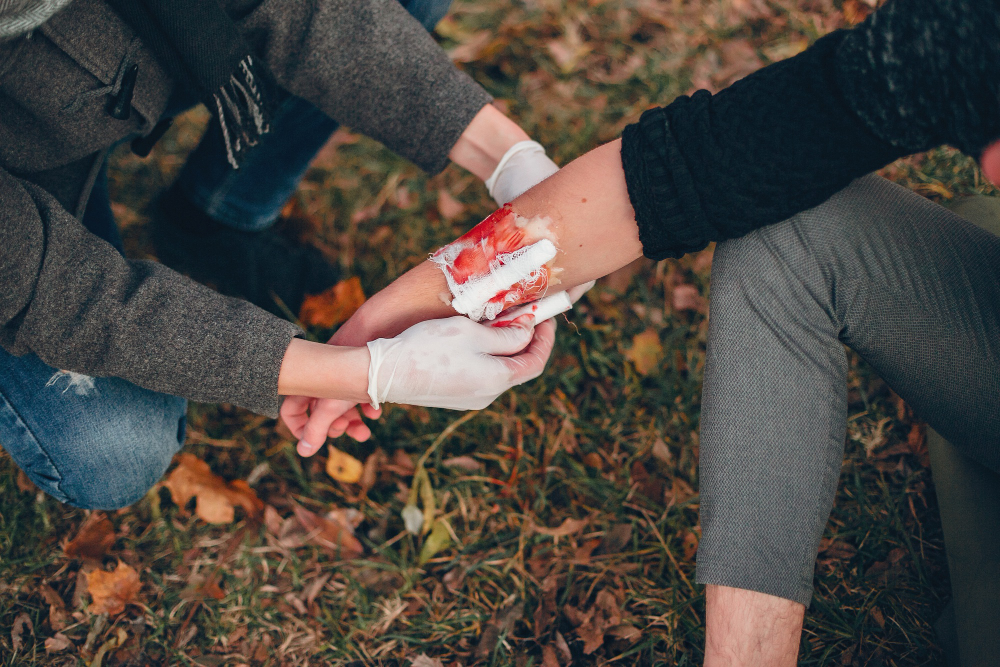
Quick and proper first aid can help prevent complications. If you or someone else gets a minor burn, follow these steps:
However, if the burn is deep, large, or caused by chemicals, seek emergency care right away (CDC).
When to Seek Emergency Medical Help
Sometimes, burns need urgent medical attention. You should call for help or go to the emergency room if:
Early treatment can prevent serious complications and help the burn heal better (WHO).
Prevention Tips for Burn Injuries
Most burns can be prevented with simple steps. Here are some tips to keep you and your family safe:
By following these tips, you can lower your risk of burn injuries at home.
Frequently Asked Questions (FAQ)
How long does it take for a minor burn to heal?
Most minor burns heal within 7 to 10 days if cared for properly.
Can I pop a blister from a burn?
No, do not pop blisters. They protect the skin and help prevent infection.
What should I do if my burn starts to hurt more after a few days?
If pain, redness, or swelling increases, or if you see pus, seek medical advice. These may be signs of infection.
Is it safe to use home remedies like butter or toothpaste?
No, these can make burns worse. Always use cool water and a clean bandage.
If you notice any warning signs, consult a healthcare professional immediately for personalized advice at Krishnan Hospital & Critical Care Centre. Early intervention is key to protecting your health.